
What Is Digital Forensics and How to Get Trained in Canada
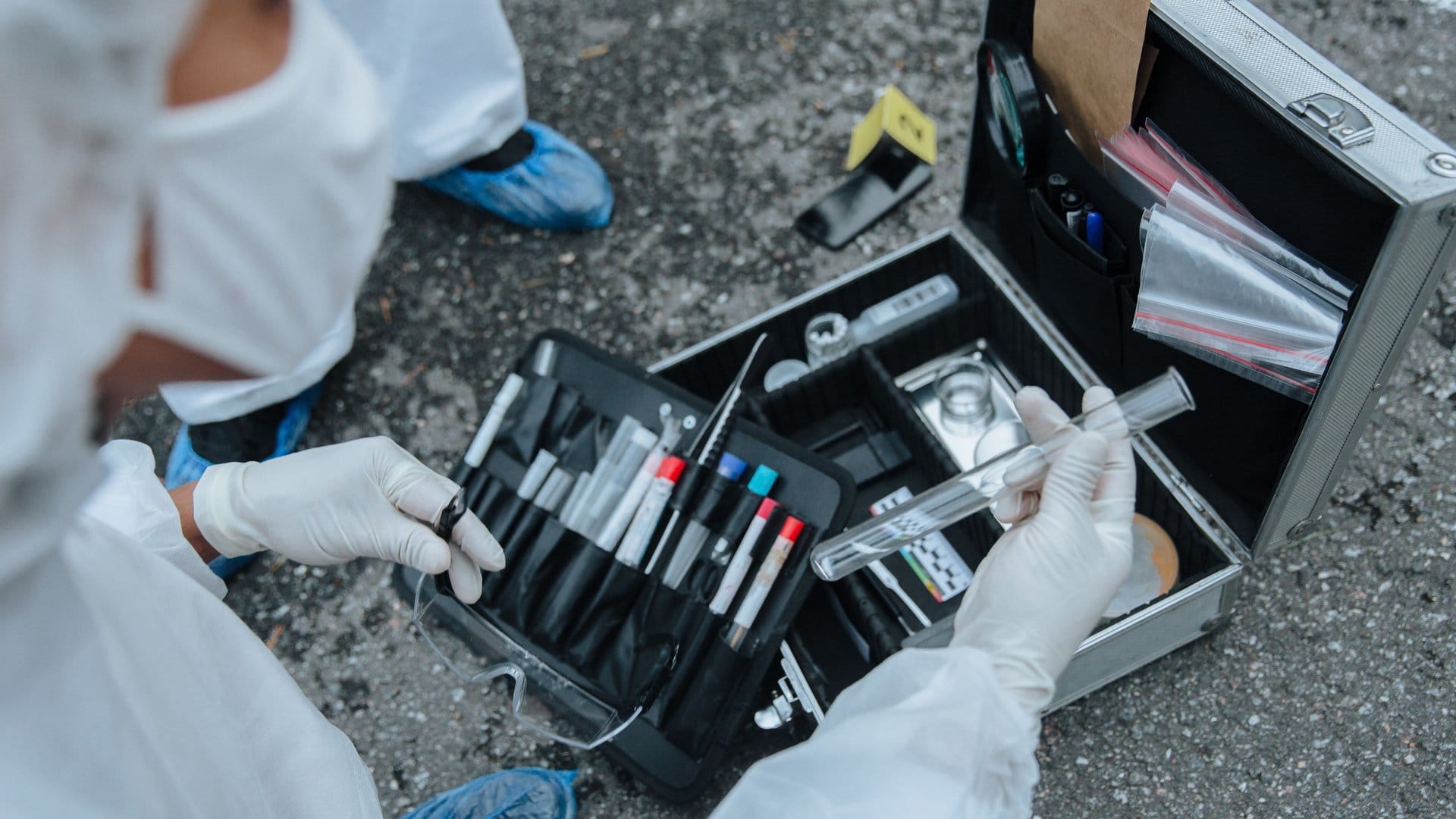
Digital forensics investigators reconstruct what happened after a breach, a fraud case, or a workplace incident, turning devices and storage systems into evidence a court or an employer accepts. Canadian organizations need more people who do this work well, and the path into the field runs through hands-on technical training rather than a single degree program. This guide explains what digital forensics investigators do, which certifications carry weight, and how to build digital forensics training in Canada around the skills employers look for.
What Digital Forensics Is
Digital forensics is the process of identifying, preserving, and analyzing electronic evidence from computers, phones, servers, and cloud accounts. Investigators recover deleted files, trace user activity, and document a timeline of events without altering the original data.
The work matters most when evidence needs to hold up outside the security team. A digital forensics investigator prepares reports and testimony for court cases, internal disciplinary actions, insurance claims, and regulatory investigations. Every step follows a documented chain of custody, so the evidence stays admissible from collection through final presentation.
Day-to-day work centers on creating forensic images of drives and devices without altering the source data, recovering deleted or encrypted files for review, and building a timeline of user activity across systems and accounts.
Digital Forensics vs Network Forensics
Digital forensics and network forensics overlap, and the two disciplines serve different purposes. Network forensics focuses on packet captures and traffic logs, tracing an attacker’s path across a network in near real time. Digital forensics goes wider, covering the devices, storage, and accounts an investigator examines after the fact, including laptops, phones, cloud drives, and backup systems.
Many investigators build skills in both areas over a career. Understanding where each discipline starts and ends helps you choose the certifications and cybersecurity training path matching your goals.
Career Paths in Digital Forensics
Digital forensics roles sit within corporate security teams, law enforcement units, and private consulting firms across Canada. Most professionals move into the field after time in incident response, IT security, or law enforcement support roles.
Common job titles include:
- Digital Forensics Analyst, handling evidence collection and analysis inside a corporate security team or consulting firm
- Forensic Examiner, working with law enforcement or legal teams on criminal and civil cases
- Incident Response Forensics Lead, combining forensic investigation with breach response inside an organization
The Government of Canada Job Bank tracks steady demand for security analyst roles nationally, and forensic specialization sets you apart within a competitive field.
Certifications Worth Pursuing
A few certifications carry weight with Canadian employers hiring for forensic roles.
GIAC offers the GCFE (Forensic Examiner) and GCFA (Forensic Analyst) credentials, both built around hands-on lab exams rather than multiple-choice theory. EnCase Certified Examiner (EnCE) focuses on the EnCase platform many corporate and law enforcement teams standardize on. The International Association of Computer Investigative Specialists offers the CFCE credential, widely recognized among law enforcement forensic units.
Each certification tests practical skill under exam conditions, so instructor-led lab time prepares you far better than reading alone. The NIST Guide to Integrating Forensic Techniques into Incident Response lays out the same evidence-handling standards these certifications test, and it’s worth reading early in your preparation.
How to Get Trained in Canada
Digital forensics builds on core cybersecurity skills, so start there if you’re new to the field. A strong base in networking, operating systems, and incident response gives you the technical foundation forensic work depends on.
Our cybersecurity training programs at Ultimate IT Courses cover the incident response and security fundamentals forensic investigators rely on daily. Vendor-neutral, hands-on labs give you practice with the evidence-handling skills certification exams test, without locking you into one platform before you decide on a specialization. Our broader certification programs help you plan the credentials coming next.
Build Your Path Into Digital Forensics
Digital forensics rewards investigators who combine technical depth with careful documentation. The certifications above signal to employers you handle both sides of the work.
Ready to map out your next step? Build an advanced cybersecurity roadmap with Ultimate IT Courses and plan a training path fitting your specialization.

