
How IT Managers Build a Certification Study Group for Their Team
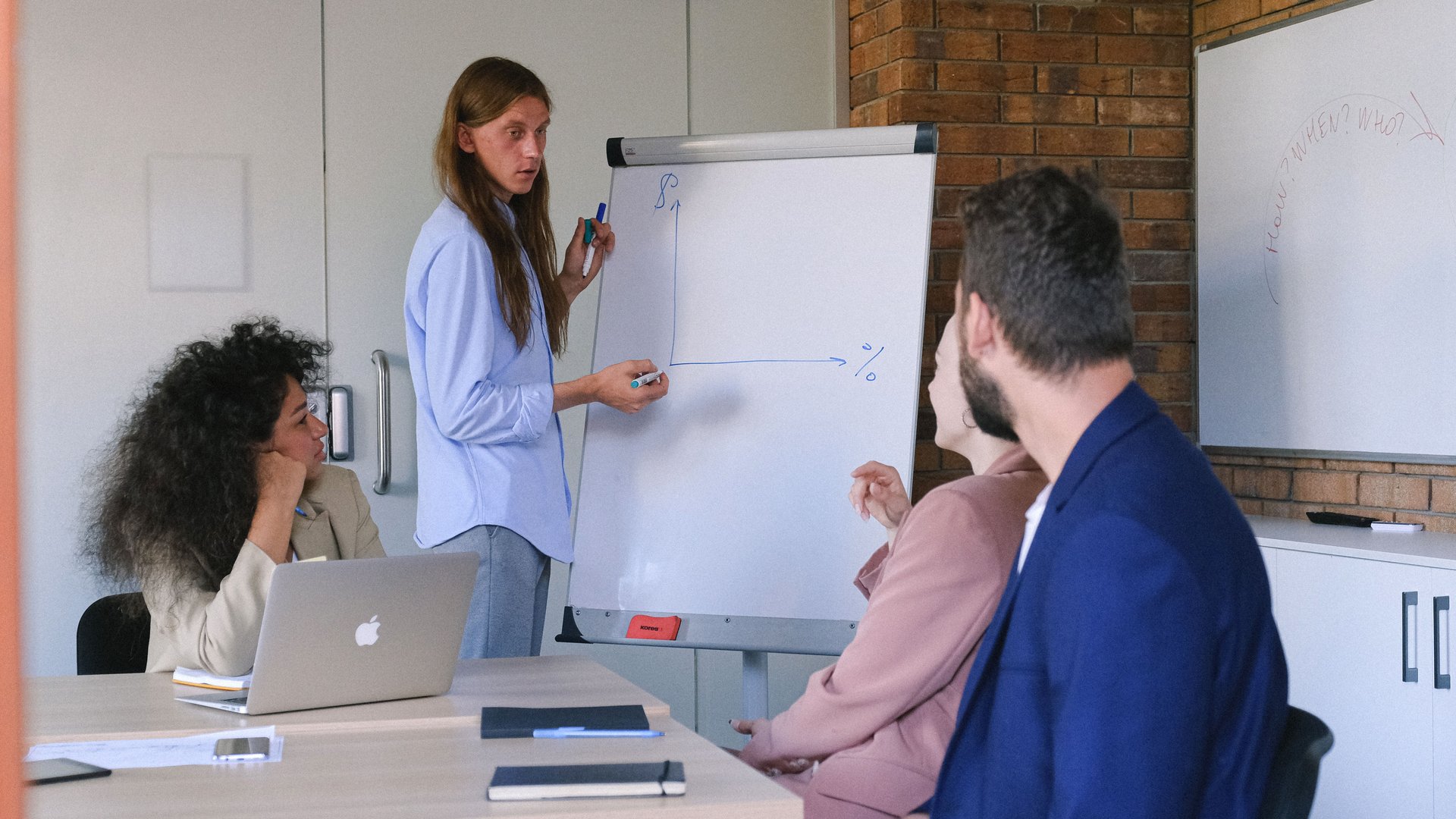
An IT team certification study group turns individual exam prep into a shared habit. You set the schedule, pick the goal, and your staff learn together. This guide shows you how to build one, keep it running, and measure the result.
Want help choosing the right exam for your group? Book a team training consultation and we will map options to your roles.
Why a Study Group Beats Solo Prep
Most IT staff study alone, late at night, between tickets. Progress stalls when work gets busy. Exam dates slip. Nobody notices until the voucher expires.
A group changes the pattern. Each person owes the others a weekly check-in. Questions get answered by a colleague instead of a forum. Stronger members explain topics, and explaining a topic is the fastest way to learn it.
Your team also builds shared vocabulary. When three people study the same network domain, they solve production problems faster. That benefit shows up long before the exam.
Pick One Certification and One Exam Window
Start narrow. Choose a single certification for the whole group, or one per small cohort. Mixed goals scatter the discussion.
Match the exam to the work your team does. A help desk group fits CompTIA certifications such as A+ or Security+. A group moving workloads to Azure fits the Microsoft training options. Review the official exam objectives on the CompTIA certification pages or the vendor site before you commit.
Then set one exam window. Ten to twelve weeks works for most associate-level exams. Book the exam dates early so the deadline feels real.
Choose the Right Group Size and Format
Keep the group between four and eight people. Smaller groups collapse when one person is absent. Larger groups let quiet members hide.
Meet once a week for 60 minutes. Protect this hour on the calendar. If you treat the session as optional, your team will too.
Rotate the facilitator each week. The facilitator owns one exam domain, prepares five discussion questions, and leads the hour. Rotation spreads the workload and gives junior staff a leadership step.
Give the Hour a Fixed Structure
A loose session drifts into chat. Use the same agenda every week:
- Ten minutes: each person reports hours studied and one blocker
- Thirty minutes: the facilitator walks through the domain and the group answers practice questions
- Twenty minutes: a hands-on lab in a test environment, done in pairs
Hands-on practice matters most. Exams test judgment, and judgment comes from doing the task. Give the group a safe lab tenant or a virtual machine setup. Never run practice exercises on production systems.
Protect Study Time During Work Hours
Study groups fail when the only study time is personal time. If the certification helps your department, give working hours to it. Two hours a week is a fair starting point.
Plan coverage first. Use a rotation so the queue stays staffed. Cross-train your staff so backup coverage never depends on one person.
Also tell your staff what the company covers. Say whether exam fees, retakes, and training materials are reimbursed. Unclear policy kills momentum.
Track Progress With Simple Measures
You do not need a dashboard. Track four numbers each week: attendance, hours studied, practice test scores, and exam dates booked.
Run a practice exam at the halfway point. Scores show you which domains need extra sessions. Move your weakest domain to the next meeting and assign a second facilitator.
Link the certification to a real role. The NICE Framework from NIST describes work roles and the skills each requires. It gives your team a clear reason to study beyond the exam badge. For hiring context, check demand for your target roles on Job Bank.
Know When to Add an Instructor
A study group works well for motivation and review. It works less well for new, complex material. Some topics need an expert in the room.
Bring in instructor-led training when your team faces any of these situations:
- Nobody on the team has hands-on experience with the exam topics
- Your group has missed two exam dates in a row
- A project deadline needs the skills within a quarter
A blended plan often fits best. Run the study group weekly and add a short instructor-led bootcamp before the exam. Small classes and hands-on labs give your staff direct answers to hard questions. We do not promise pass rates, but structured support removes common obstacles.
Celebrate Results and Repeat
When someone passes, announce it to the team. Recognition costs nothing and keeps the habit alive. Ask the new certificate holder to facilitate the next cohort.
Review the process after each exam. Ask what worked, what slowed the group, and which exam comes next. Small changes compound across cohorts.
Choose Your Next Step
A study group gives your team structure, accountability, and shared skills. Start with one certification, one exam window, and one weekly hour. Add instructor-led training where the material is new.
Ready to plan your first cohort? Book a team training consultation and we will help you match exams, formats, and schedules to your team.

